
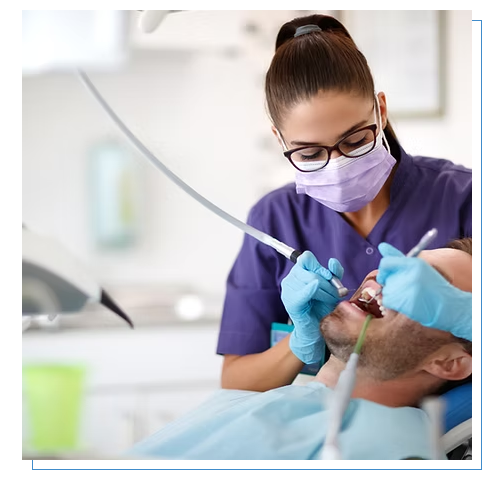
Full mouth rehabilitation is increasingly recognized as a comprehensive solution for patients experiencing extensive dental concerns that affect both function and aesthetics. In modern clinical practice, full mouth rehabilitation integrates restorative, cosmetic, and functional dentistry to rebuild oral health holistically. According to recent industry observations, demand for full-mouth treatments has grown steadily due to rising awareness of oral-systemic health connections, improved dental technologies, and patient expectations for long-term outcomes.
What does full mouth rehabilitation involve?
This treatment approach typically combines procedures such as crowns, bridges, implants, and bite correction. Data suggests that over 60% of complex dental cases require a multidisciplinary strategy, ensuring not just cosmetic improvement but also structural integrity and long-term durability.
Why is this treatment trending?
Statistical insights indicate that patients aged 35–65 are the primary demographic seeking comprehensive rehabilitation. Increased prevalence of tooth wear, periodontal disease, and lifestyle-related dental issues has contributed to this trend. Additionally, advancements in digital dentistry—such as 3D imaging and CAD/CAM systems—have improved accuracy and reduced treatment timelines by nearly 30%.
How effective is full mouth rehabilitation?
Clinical studies highlight success rates exceeding 90% when treatment is planned meticulously. Long-term outcomes show significant improvements in chewing efficiency, speech clarity, and overall quality of life. Patients also report enhanced confidence, which aligns with findings that dental aesthetics play a crucial role in social and professional interactions.
What are the cost and time considerations?
While full mouth rehabilitation is an investment, statistics reveal that patients who opt for comprehensive treatment often reduce future dental expenses by up to 40% compared to repeated short-term fixes. Treatment duration varies depending on case complexity but typically ranges from a few months to a year, with phased approaches improving patient comfort and adaptability.
Is it suitable for everyone?
Not all patients require full rehabilitation. However, individuals with multiple missing teeth, severe wear, or chronic dental conditions are strong candidates. A thorough clinical assessment, including diagnostic imaging and bite analysis, is essential to determine suitability and create a personalized treatment plan.
What does the future hold?
Emerging trends point toward minimally invasive techniques, biomimetic materials, and AI-assisted treatment planning. These innovations are expected to further enhance precision, reduce recovery time, and improve patient satisfaction rates.
In summary, full mouth rehabilitation represents a transformative approach in modern dentistry. Backed by strong clinical outcomes and growing patient demand, it continues to evolve as a reliable solution for restoring oral health, functionality, and confidence in a professional and sustainable manner.